In the venture world valuations rely on agreements negotiated behind closed doors. A public offering forces those figures into open price discovery, and public investors want real cash flows before writing checks at these valuations.
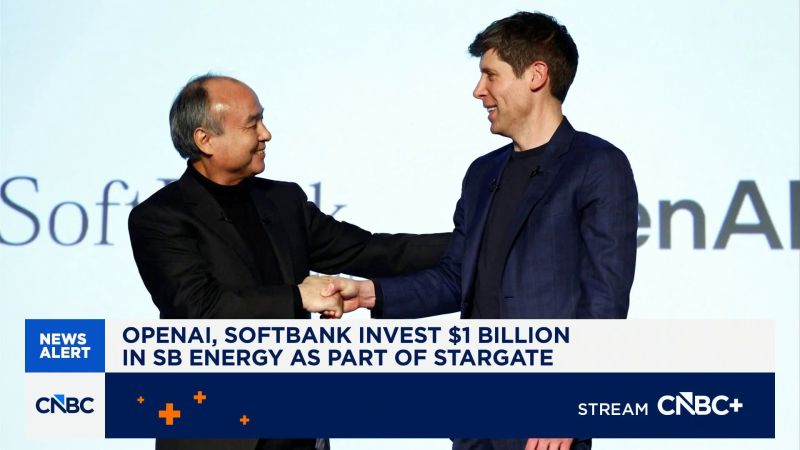
SoftBank subsidiary SB Energy paused its planned $50 billion public listing this week because bankers could not find sufficient demand.
The company holds $439 billion in forward contracts with OpenAI.
Yet it generated only $139 million in revenue and operates zero completed data centers today. Building out those commitments will require $174 billion in debt financing.
Nvidia stepped in to purchase another $1.5 billion in nonvoting SB Energy shares at a 10% discount, taking its stake to $3 billion. Nvidia also backed up to $105 billion of OpenAI’s lease commitments for a data center hub in Ohio.
Two other infrastructure firms, Holtec and Aggreko, also pushed back their listings during the same window.
Consider the mechanics at work. A hardware provider has invested billions into a customer whose primary mandate is buying that provider’s hardware.
Nonvoting shares give the supplier capital upside without board oversight or direct liability if projects stall. When the customer cannot tap public capital markets, major data center rollouts slow down, and chip orders decline.
SoftBank founder Masayoshi Son already committed $65 billion to OpenAI and raised $11 billion through high-yield debt paying 8.2% to sustain the buildout.
The SB Energy listing was meant to validate that thesis with public equity capital, but institutional buyers passed.
Institutional investors are drawing a line, which suggests we have not reached peak market euphoria just yet.
Thank goodness.
If you enjoyed these insights, follow me as I regularly break down investment ideas and trends with a particular focus on AI, robotics, and emerging technology.
This article is for informational purposes only and should not be considered financial or investment advice. Investing involves risk.