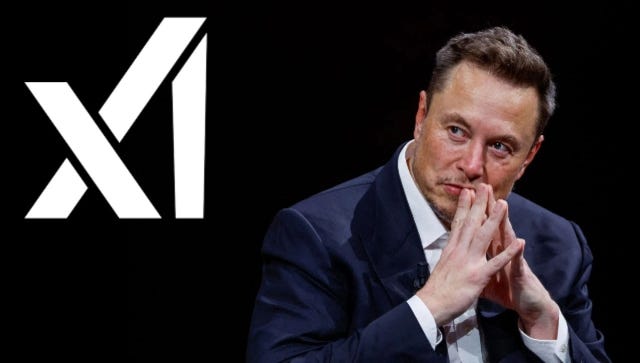
Elon Musk’s xAI just secured $20 billion in funding, but the most interesting part of the deal isn’t the dollar amount. It is the unconventional way the deal was structured to satisfy both Silicon Valley and Wall Street.
The funding round includes a massive lineup of strategic partners, including Nvidia, Cisco, and the Qatar Investment Authority. While the total figure is staggering, the framework of the investment provides a potential new playbook for the entire tech industry.
According to reports, the financing is split between equity and a specialized debt vehicle. Instead of backing the debt with the company itself, the loan is reportedly secured by the physical hardware. The capital will be used to purchase Nvidia processors, which are then rented out over a five year period. This allows investors to recoup their capital based on the value and utility of the GPUs rather than traditional corporate debt exposure.
For tech firms looking to scale infrastructure without overleveraging their balance sheets, this structure could become a standard for future AI development. The scale of this operation is difficult to overstate. xAI is currently focused on an massive expansion of its data center complex in Memphis.
By adding a third building to the site, Musk aims to bring the company’s computing capacity toward 2 gigawatts. This level of infrastructure is essential for the company’s stated mission of accelerating transformative AI products for billions of users.
The pursuit of frontier AI models is currently the most expensive race in history. Reports suggest xAI has been burning through approximately $1 billion per month as it builds out its capabilities.
While some industry experts debate the diminishing returns of raw computing power, xAI like others is betting heavily that massive data center capacity is the only path to a true breakthrough.
With $20 billion in fresh capital, the company now has the runway to continue its aggressive infrastructure buildout and keep pace with the largest players in the space.
The intersection of specialized hardware, unique debt structures, and massive energy requirements will be redefining the AI investing this year.
See the comments on this article on my LinkedIn post
The funding round includes a massive lineup of strategic partners, including Nvidia, Cisco, and the Qatar Investment Authority. While the total figure is staggering, the framework of the investment provides a potential new playbook for the entire tech industry.
According to reports, the financing is split between equity and a specialized debt vehicle. Instead of backing the debt with the company itself, the loan is reportedly secured by the physical hardware. The capital will be used to purchase Nvidia processors, which are then rented out over a five year period. This allows investors to recoup their capital based on the value and utility of the GPUs rather than traditional corporate debt exposure.
For tech firms looking to scale infrastructure without overleveraging their balance sheets, this structure could become a standard for future AI development. The scale of this operation is difficult to overstate. xAI is currently focused on an massive expansion of its data center complex in Memphis.
By adding a third building to the site, Musk aims to bring the company’s computing capacity toward 2 gigawatts. This level of infrastructure is essential for the company’s stated mission of accelerating transformative AI products for billions of users.
The pursuit of frontier AI models is currently the most expensive race in history. Reports suggest xAI has been burning through approximately $1 billion per month as it builds out its capabilities.
While some industry experts debate the diminishing returns of raw computing power, xAI like others is betting heavily that massive data center capacity is the only path to a true breakthrough.
With $20 billion in fresh capital, the company now has the runway to continue its aggressive infrastructure buildout and keep pace with the largest players in the space.
The intersection of specialized hardware, unique debt structures, and massive energy requirements will be redefining the AI investing this year.
See the comments on this article on my LinkedIn post