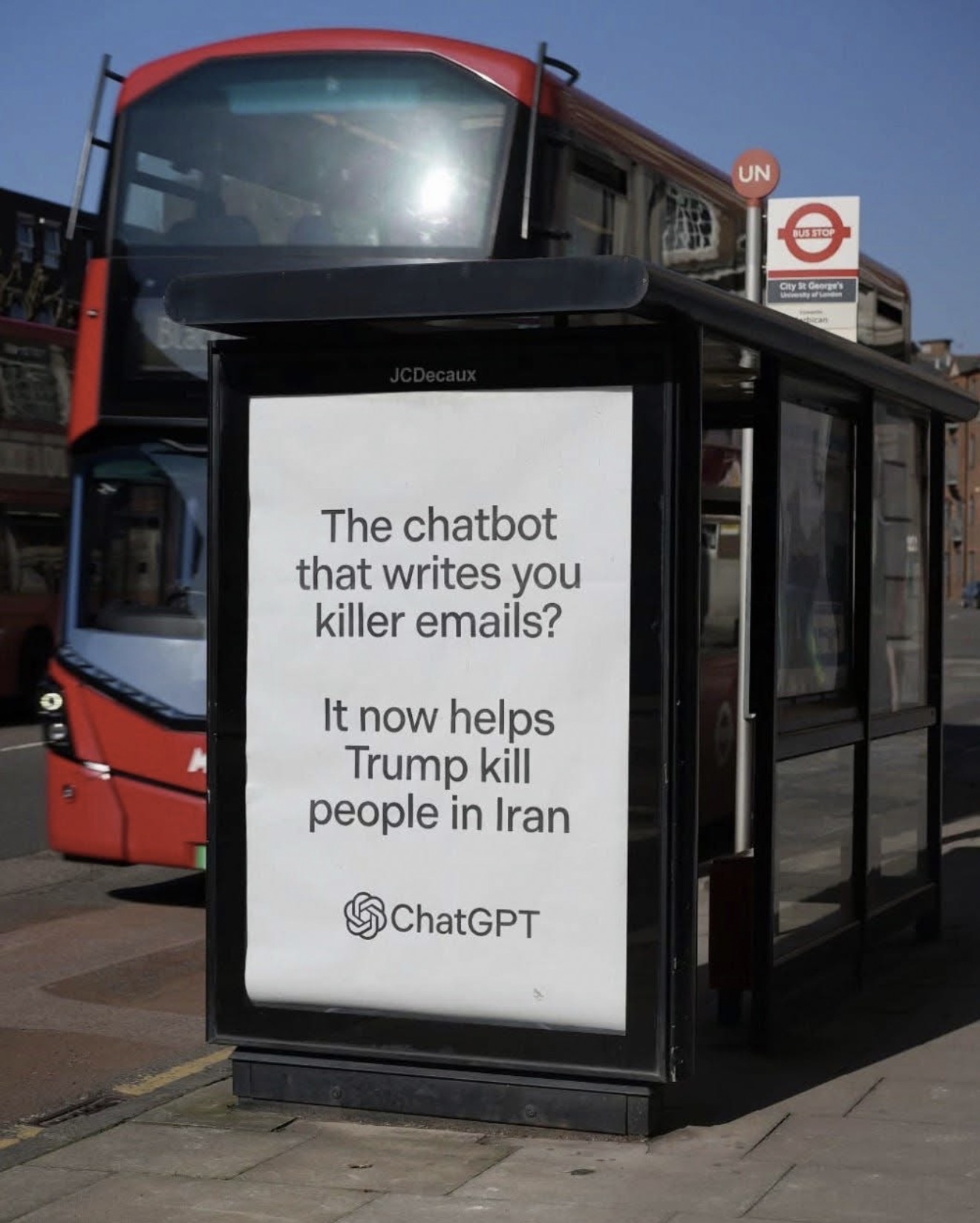
As AI enters the battlefield in the conflict with Iran, the line between technological advancement and human safety has never been thinner.
The recent and public collision between the White House and Anthropic has laid bare a massive contradiction in how we approach the future of technology.
On one hand, the U.S. administration has moved to cut ties with the AI lab, yet in the same breath, it has invoked the power of the presidency to compel the company to continue working with the government.
This tension is no longer theoretical. As the conflict in Iran intensifies, we are seeing the first large-scale application of these tools in active warfare.
Reports indicate that systems powered by Claude were used to identify and prioritize over 1,000 targets in the first 24 hours of Operation Epic Fury, compressing operational planning that once took weeks into mere minutes.
The core of the dispute centers on safeguards.
Anthropic has consistently pushed for legal guarantees to ensure its models are not used for mass domestic surveillance or fully autonomous weaponry.
In response, the Department of Defense has characterized these concerns as corporate virtue-signaling and labeled the firm a supply-chain risk.
While Anthropic fought to maintain its red lines, OpenAI moved quickly to fill the vacuum. By signing a deal to deploy its models on classified networks just as the administration turned on Anthropic, OpenAI has positioned itself as the primary partner for the Pentagon.
CEO Sam Altman recently told employees that the company does not get to make operational decisions about how the military uses its technology, stating that responsibility for the Iran strikes or other operations lies entirely with the government.
This shift suggests a move away from the “veto power” Anthropic sought toward a model where the military dictates the terms of use.
This creates a high-stakes standoff for the entire industry.
If companies are penalized for prioritizing safety, the incentive structure for every other AI lab shifts. We risk a race to the bottom where speed and compliance override the caution necessary to prevent real-world harm.
National dominance and the “speed of thought” in warfare cannot be used as an excuse to dismantle the ethical frameworks designed to protect humanity.
The irony is that while the government aims to extend America’s lead in AI, aggressive tactics against domestic innovators may do the opposite. It deters top-tier firms from bidding on government work and creates an environment of uncertainty for investors and partners.
We are currently deciding whether the future of AI will be governed by careful collaboration or by state-mandated acceleration at any cost.
How should private AI labs balance their ethical commitments with the demands of national interest?
I would be interested to hear your thoughts on where the line should be drawn between government necessity and corporate responsibility.